
Lihat juga


 18.12.2025 06:51 PM
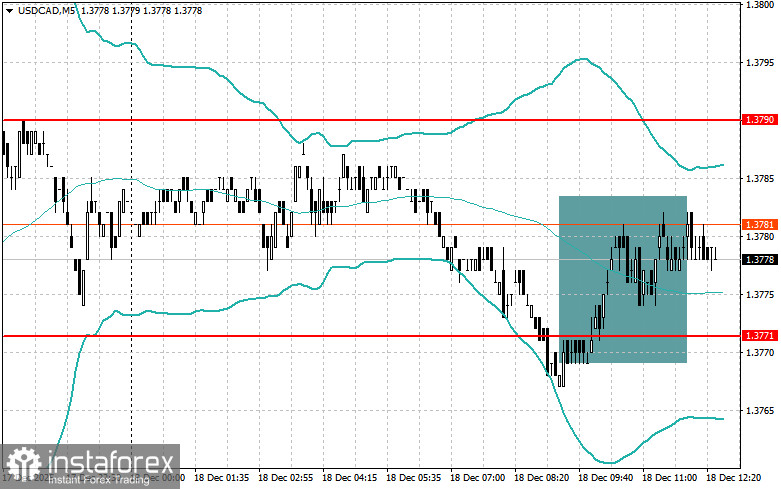
Today, only the Canadian dollar was traded using the Mean Reversion strategy. I traded the British pound and the Japanese yen using the Momentum strategy.
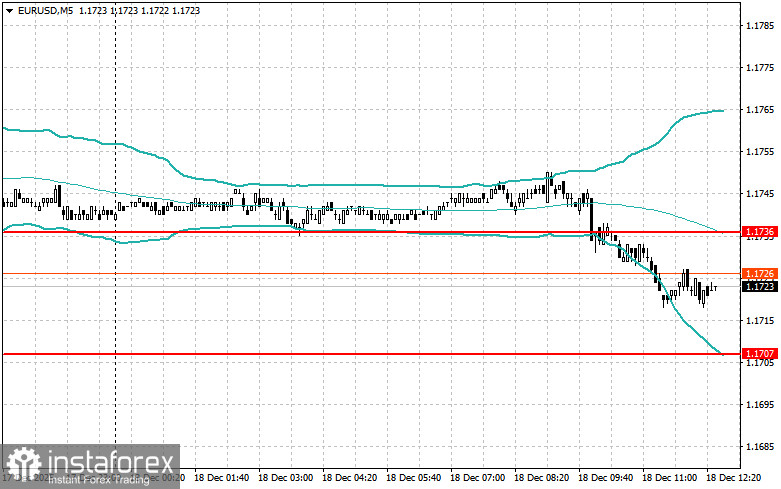
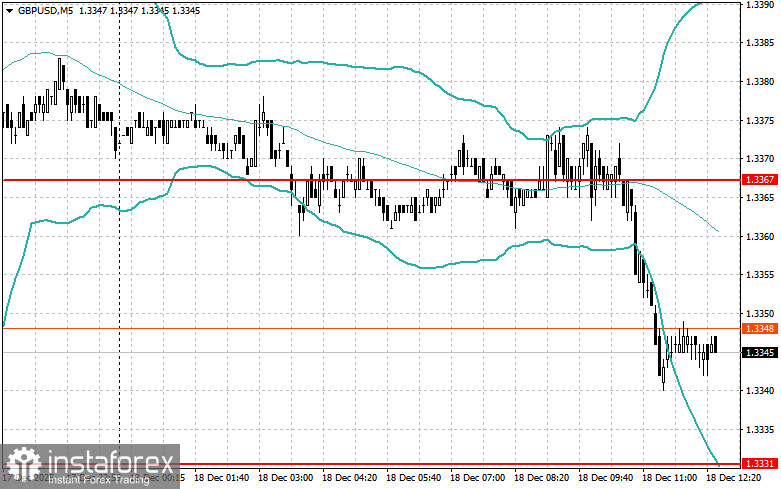
The euro and the pound edged lower ahead of the European Central Bank's and the Bank of England's interest rate decisions. Investors are holding their breath, waiting for signals regarding future monetary policy. The ECB is expected to keep interest rates unchanged, but particular attention will be paid to Christine Lagarde's press conference. The Bank of England, however, is preparing to cut interest rates, which could extend the decline of the British pound.
In addition, the economic calendar is set to be quite busy, implying heightened volatility in the financial markets. At the center of attention will be the release of U.S. Consumer Price Index (CPI) data, a key indicator of inflationary pressure. In particular, both the headline CPI and the CPI excluding food and energy prices—the so-called Core CPI—will be closely monitored. The latter is considered a more stable indicator that better reflects underlying inflation trends, as it excludes volatile components subject to strong short-term fluctuations. If the published figures exceed forecasts, this could trigger a strengthening of the U.S. dollar, as it would be interpreted as a signal that the Federal Reserve will have to be more cautious in cutting interest rates. Conversely, weaker-than-expected data could lead to a softer dollar.
At the same time, the release of weekly U.S. initial jobless claims data will also draw attention. Although this indicator is not as significant as the CPI, it serves as an important gauge of labor market conditions.
If the data are strong, I will rely on the Momentum strategy. If there is no market reaction to the releases, I will continue to use the Mean Reversion strategy.
Momentum Strategy (Breakout) for the Second Half of the Day
EUR/USD
GBP/USD
USD/JPY
Mean Reversion Strategy (Pullback) for the Second Half of the Day
EUR/USD
GBP/USD
AUD/USD
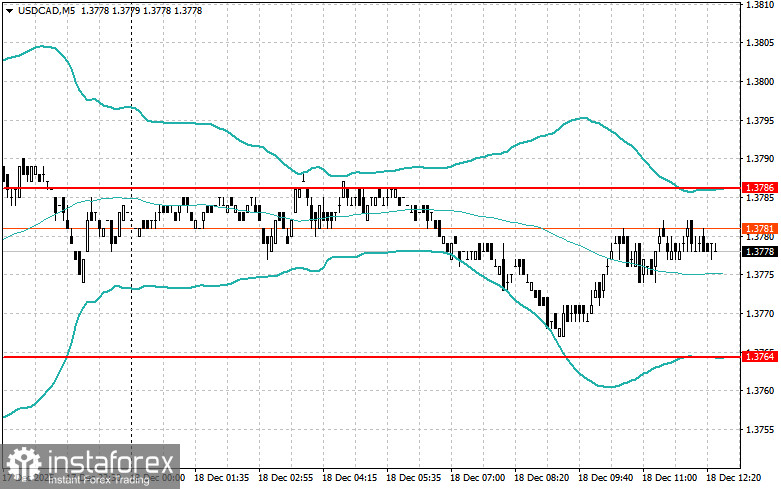
USD/CAD


