
Vea también


 09.04.2026 08:50 AM
The fragility of the U.S.-Iran ceasefire and the publication of the Federal Reserve's meeting minutes have become the main drivers of renewed demand for the dollar and pressure on risk assets.
The unexpected escalation on the diplomatic front, following relatively positive yet still inconclusive hints of a rapprochement, has generated a new wave of uncertainty in global financial markets. Traders, who tend to be cautious during periods of geopolitical tension, have begun to reassess their portfolios, returning to the dollar. Concerns related to the potential resumption of U.S. attacks on Iran and possible retaliatory measures have quickly undermined confidence in expectations of normalizing supply chains.
Today's economic events are not expected to significantly impact European financial markets. However, in the first half of the day, traders will focus on German macroeconomic indicators. There is an expectation for data on changes in industrial production to be published. This indicator is one of the key barometers of German industry and generally reflects the strength of the recovery or the deceleration in economic activity. Simultaneously, data on Germany's trade balance will be provided. This indicator reflects the difference between exports and imports of goods and services. A consistently positive trade balance is a traditional strength of the German economy; however, changes in its structure or dynamics could indicate shifting conditions in the global market.
Regarding the pound, the publication of the lending conditions report, regularly issued by the Bank of England, is anticipated in the first half of the day. This document serves as a barometer of credit resource availability for a broad range of borrowers—from households to the corporate sector. The report provides information on banks' willingness to extend loans, the interest rates they offer, and trends in loan demand. These data are relevant for assessing the state of the British economy, as the availability and cost of credit directly influence consumer spending and business investment activity.
If the data aligns with economists' expectations, it is best to act based on the Mean Reversion strategy. If the data is significantly higher or lower than economists' expectations, the Momentum strategy is preferable.
Buy on a breakout of the level 1.1670 may lead to a rise of the euro towards 1.1700 and 1.1745;
Sell on a breakout of the level 1.1650 may lead to a decline of the euro towards 1.1630 and 1.1602;
Buy on a breakout of the level 1.3400 may lead to a rise of the pound towards 1.3430 and 1.3476;
Sell on a breakout of the level 1.3375 may lead to a decline of the pound towards 1.3340 and 1.3300;
Buy on a breakout of the level 158.90 may lead to a rise of the dollar towards 159.20 and 159.49;
Sell on a breakout of the level 158.70 may lead to a sell-off of the dollar towards 158.47 and 158.18;
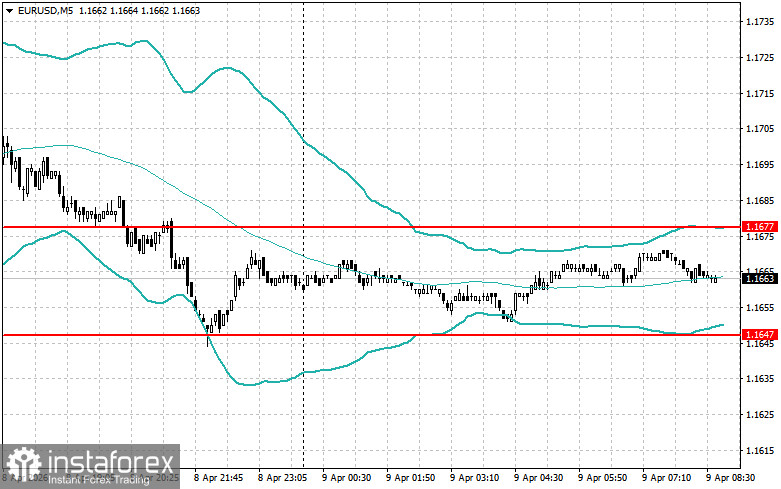
Sell looking for a failed breakout above 1.1677 on a return below this level;
Buy looking for a failed breakout below 1.1647 on a return to this level;
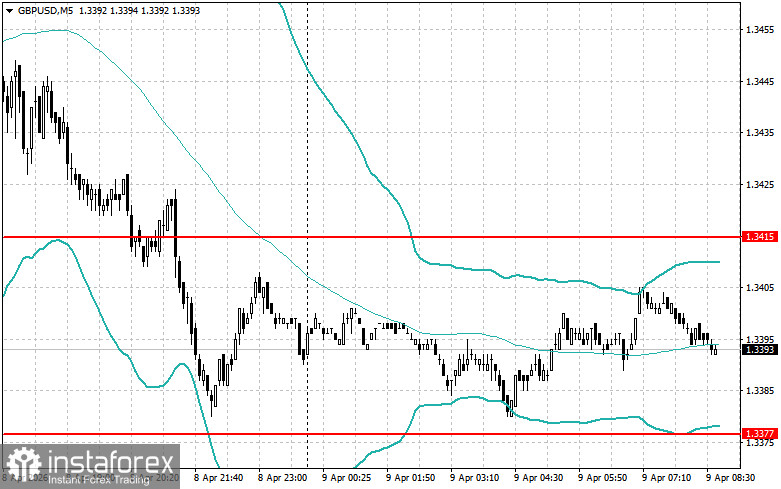
Sell looking for a failed breakout above 1.3415 on a return below this level;
Buy looking for a failed breakout below 1.3377 on a return to this level;
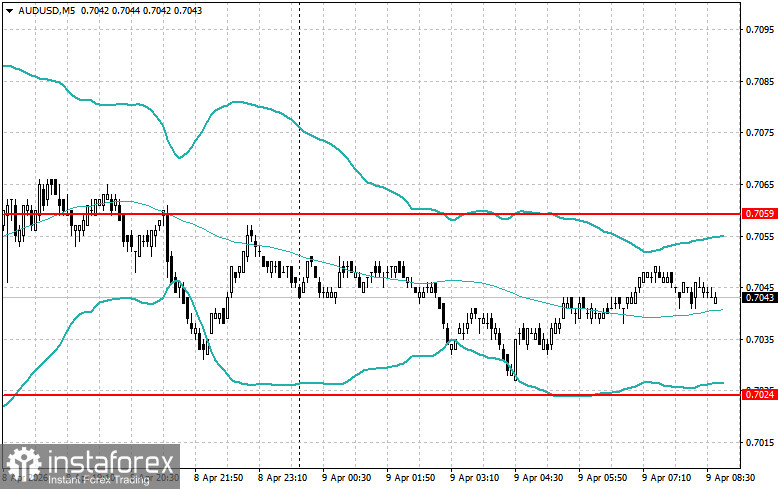
Sell looking for a failed breakout above 0.7059 on a return below this level;
Buy looking for a failed breakout below 0.7024 on a return to this level;
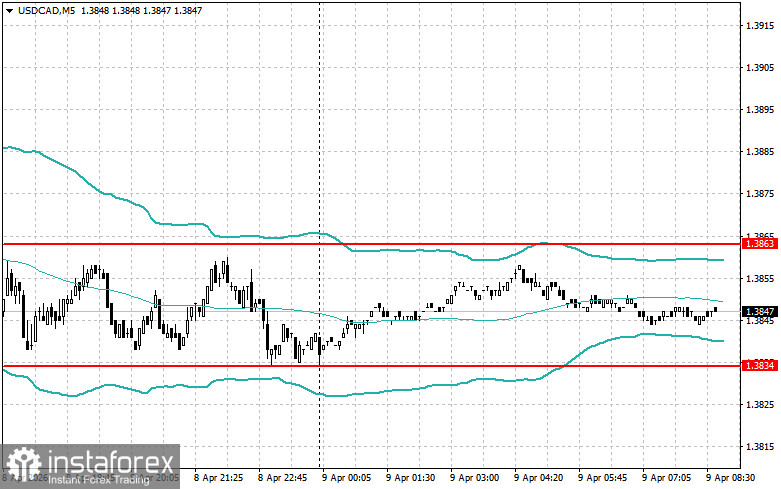
Sell looking for a failed breakout above 1.3863 on a return below this level;
Buy looking for a failed breakout below 1.3834 on a return to this level;


