আরও দেখুন


 20.05.2026 09:39 AM
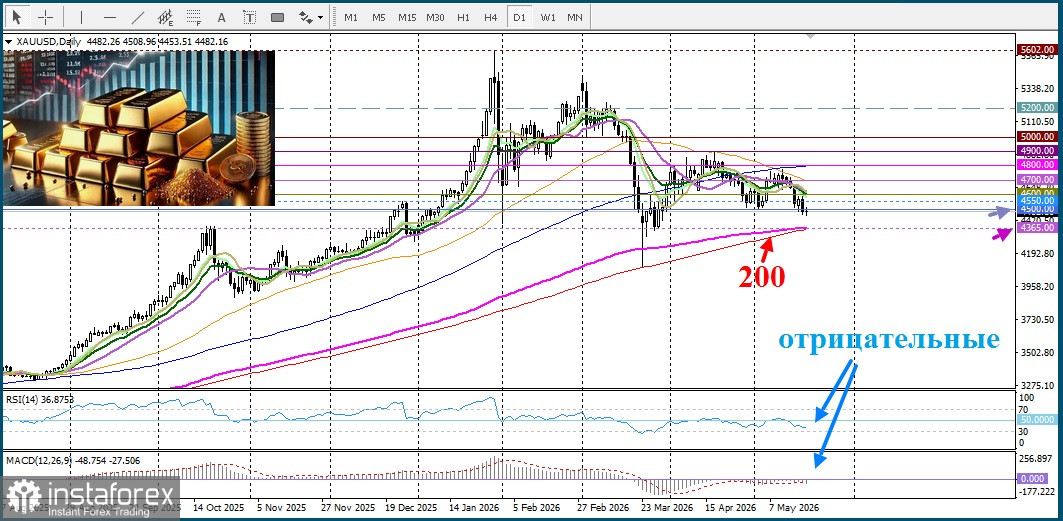
In early European trading on Wednesday, XAU/USD remained intraday weaker and traded below the psychologically significant $4,500 level — the weakest level since March 30.
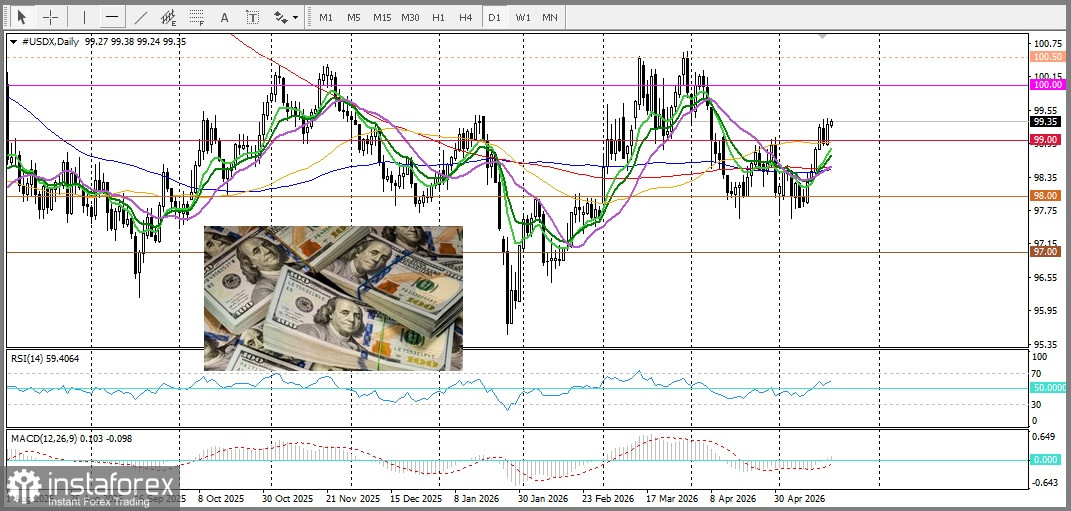
Market participants remain skeptical about prospects for a peace agreement between the United States and Iran. That skepticism, together with inflationary risks and expectations of further monetary tightening by the Federal Reserve, has supported demand for the dollar, which is trading near six-week highs and weighing on the price of the precious metal.
On Tuesday, President Donald Trump warned that Washington might need to return to military measures against Iran should talks fail, noting that he had been on the verge of authorizing a strike but postponed the decision after appeals from leaders of three Gulf states. Vice President J.D. Vance, meanwhile, reported significant progress in negotiations and stressed that neither side wants renewed conflict. Significant doubts persist, however, about the prospect of a diplomatic settlement given deep disagreements over Iran's nuclear program, control of the Strait of Hormuz, and security guarantees. Those divisions uphold the dollar's reserve asset status and exert countervailing pressure on gold.
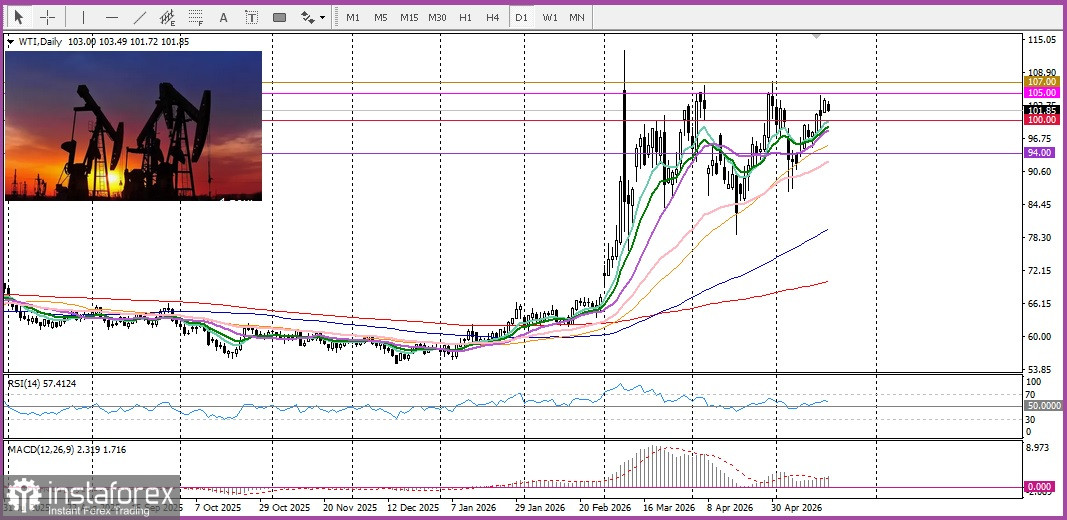
Sustained uncertainty over US-Iran relations has also kept oil prices elevated, near one-month highs, which in turn reinforces inflation expectations and increases the probability of further Fed tightening.
According to CME Group's FedWatch tool, market participants assign a greater than 55% probability to at least a 25-basis-point increase in the Fed funds rate in 2026. Those probabilities were reinforced by comments from Philadelphia Fed president Anna Polson, who said a rate increase would be possible if economic growth accelerated above potential or if inflationary pressures strengthened.
Rising US Treasury yields are further supporting the dollar and creating a negative backdrop for gold, an asset that does not pay interest. Dollar buyers are, nevertheless, cautious ahead of the release of the FOMC minutes late in the North American session, which market participants will scrutinize for clearer signals on the monetary policy path. That factor, together with developments in the Middle East, will likely set the near-term direction for precious metals markets.
Overall, the fundamental backdrop remains supportive of the dollar and points to a prevailing downside scenario for gold. Any corrective rallies in XAU/USD are likely to be met with active selling and could be limited in scope.
From a technical perspective, a sustained close below $4,500 would add conviction to the bearish case and would signal scope for further declines. Momentum indicators also point to weakness: the relative strength index (RSI) sits in negative territory, and the MACD remains below zero, indicating fading upside momentum. Price continues to find primary support near the long-term trend line represented by the 200-day simple moving average (SMA), around $4,365. A decisive break below that level would open the way to a deeper correction, while a hold above it would preserve the potential for the long-term uptrend to resume despite current weakness.