
See also


 01.04.2026 12:17 PM
Today, the AUD/USD pair continued its recovery after reaching its lowest levels in the past two months, strengthening for the second consecutive day, supported by easing geopolitical tensions in the Middle East. Optimism in global markets increased notably after U.S. President Donald Trump stated on Tuesday that the U.S. military operation against Iran could end within the next two to three weeks. He also emphasized that Tehran does not need to sign a separate agreement with Washington to end the conflict, which boosted investor confidence.
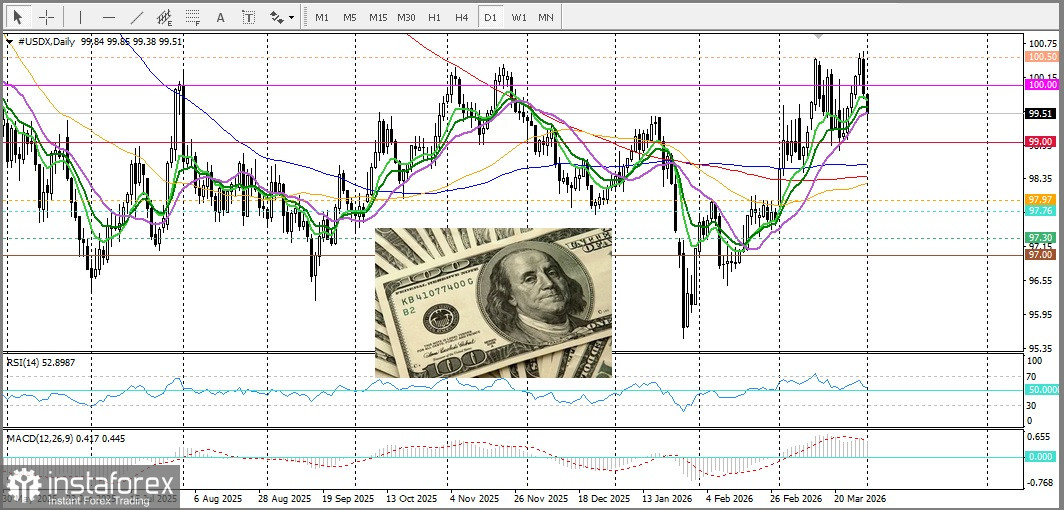
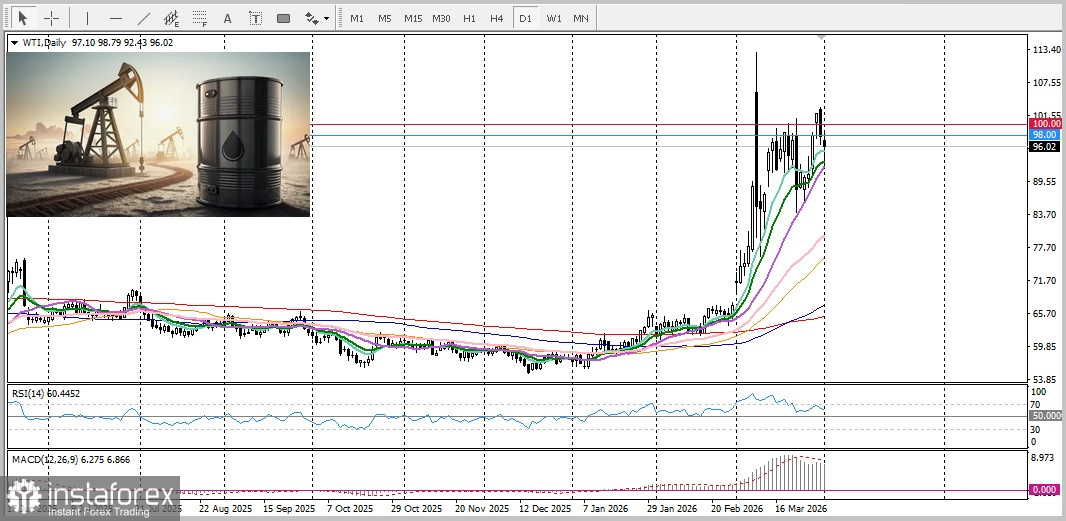
On Wednesday, investor attention will be focused on the release of the ADP private sector employment report, retail sales data, and the ISM manufacturing PMI. In addition, speeches by Federal Reserve officials may influence the dollar's positioning ahead of the key labor market report—Nonfarm Payrolls (NFP)—scheduled for Friday. Nevertheless, geopolitical developments will remain the main factor determining the overall direction of financial markets, shaping risk sentiment and volatility.
From a technical perspective, the price moving above the 100-hour SMA and attempts to consolidate above the 200-hour SMA favor the bulls. Oscillators are positive. However, it is worth noting that on the daily chart, oscillators have not yet moved into positive territory, indicating that bulls only have enough strength intraday. On a broader scale, bulls need to break above the 20-day SMA, or the round level of 1.700, in order to gain momentum for further growth.


