See also


 10.08.2026 09:21 AM
The dollar collapsed against several risk assets, for objective reasons.
The greenback fell after the July US labor market report delivered a very weak surprise. Nonfarm employment fell by 23,000, while economists expected growth of 95,000, and such a gap between the actual result and the forecast became the main driver of the US currency's collapse. The Non?Farm Payrolls indicator is considered one of the most important measures of the economy's condition, so its unexpected decline sharply undermined arguments in favor of a hawkish Federal Reserve policy.
The picture, however, was not completely unambiguous. The unemployment rate fell to 4.1 percent versus the expected 4.2 percent, and the number of unemployed totaled 6.9 million, which, at first glance, suggests labor market resilience. However, the market focused on the employment failure, since job cuts point directly to a slowdown in hiring, and the drop in unemployment could not outweigh that signal. As a result, expectations of imminent Fed tightening weakened, and the dollar fell along with them.
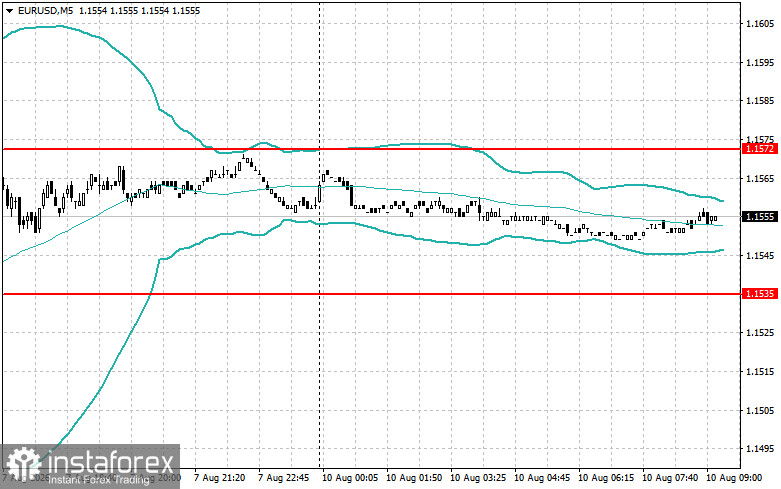
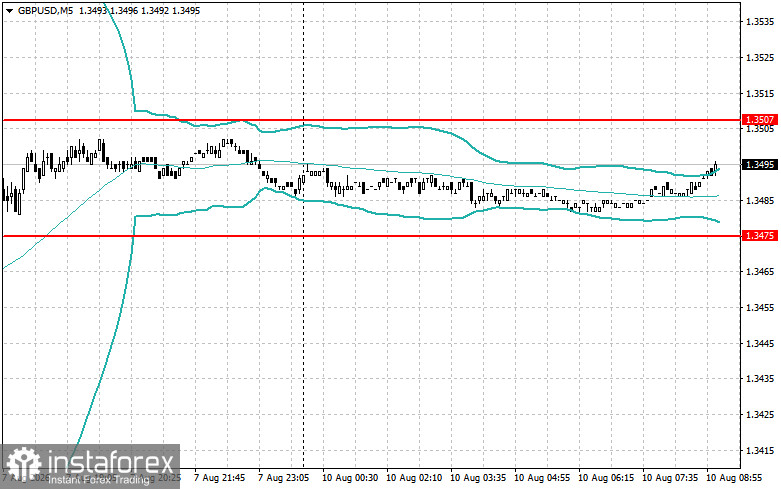
For the euro and the pound, this outcome became a significant support. The dollar's collapse narrowed its advantage, allowing both European currencies to strengthen, with EUR/USD and GBP/USD jumping amid the US currency's retreat.
Today, in the first half of the day, Sentix investor confidence in the eurozone will be the only item to attract attention for the euro. This indicator is based on surveys of investors and analysts. It reflects their assessments of the current situation and expectations for the region's economy, making it an early barometer of market sentiment. Nevertheless, in terms of importance, it is inferior to flagship reports on inflation, GDP, or business activity, and therefore it usually does not cause a strong reaction in the euro. In such conditions, the single currency's dynamics will be determined mainly by external background. As long as there are no significant own drivers, the EUR/USD pair will most likely stick to general sentiment and follow dollar behavior rather than react strongly to the release itself.
As for the pound, today's absence of UK data in the first half of the day is unlikely to set direction for the pair. Without fresh inflation, employment or business activity figures, traders will have no reason to revise positions, and these are exactly the indicators that usually drive expectations for the Bank of England's rate and determine the pound's direction. When such reports are absent, the pound becomes dependent on external forces, and its main guide remains sentiment around the dollar. That is why pound buyers have every chance to continue the bull market. In the absence of negative domestic news, GBP/USD can more easily retain bullish bias and extend the recent rally.
If the data match economists' expectations, it is better to act relying on a Mean Reversion strategy. If the data turn out to be much higher or lower than economists' expectations, it is best to use a Momentum strategy.