
See also


 18.06.2026 12:49 AM
The devil is in the details. Despite Donald Trump's assurances that the U.S. will not pay reparations to Iran, the mention of a $300 billion economic recovery program for the Islamic Republic has sharply raised eyebrows among investors. Both Americans and Middle Eastern countries will participate in it. Overall, the deal appears unfavorable to the White House, as it implies opening the Strait of Hormuz and restoring pre-war traffic within a month, along with vague promises from Tehran regarding its nuclear program. Negotiations lie ahead, and the growing uncertainty is supporting the downturn of EUR/USD.
Euphoria over the end of the conflict in the Middle East is gradually fading. There hasn't been a rapid weakening of the U.S. dollar amid falling Treasury yields and oil prices. Moreover, statements from European Central Bank officials about the negative consequences of U.S.-Iran tensions leave a mixed impression.
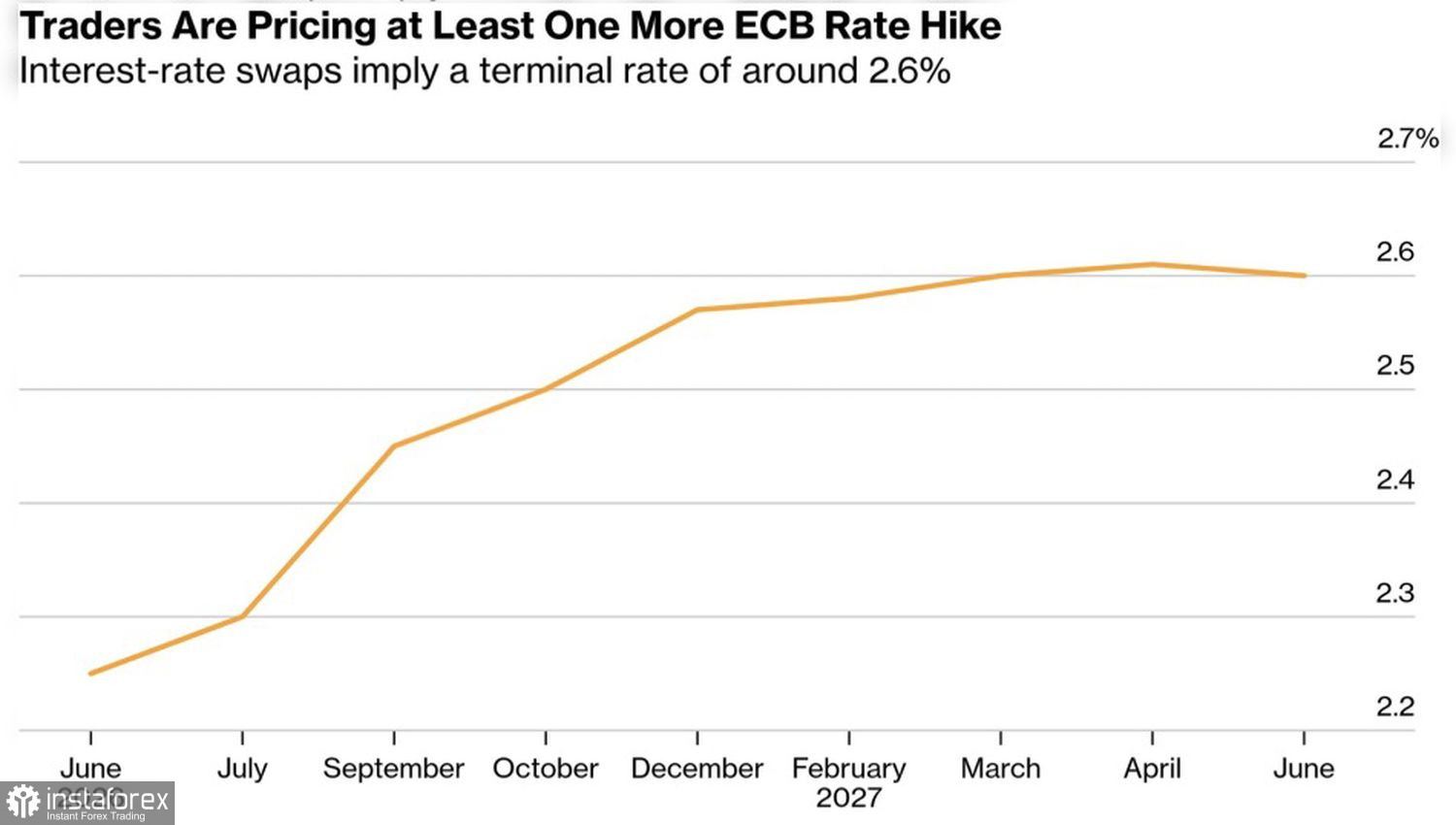
According to governing council officials, high energy prices have already permeated core inflation. Therefore, investors should be prepared for the ECB to continue its rate-hiking cycle.
At first glance, this is a "bullish" factor for EUR/USD. However, a long-term tightening of monetary policy in a weak economy could lead to a recession in the Eurozone.
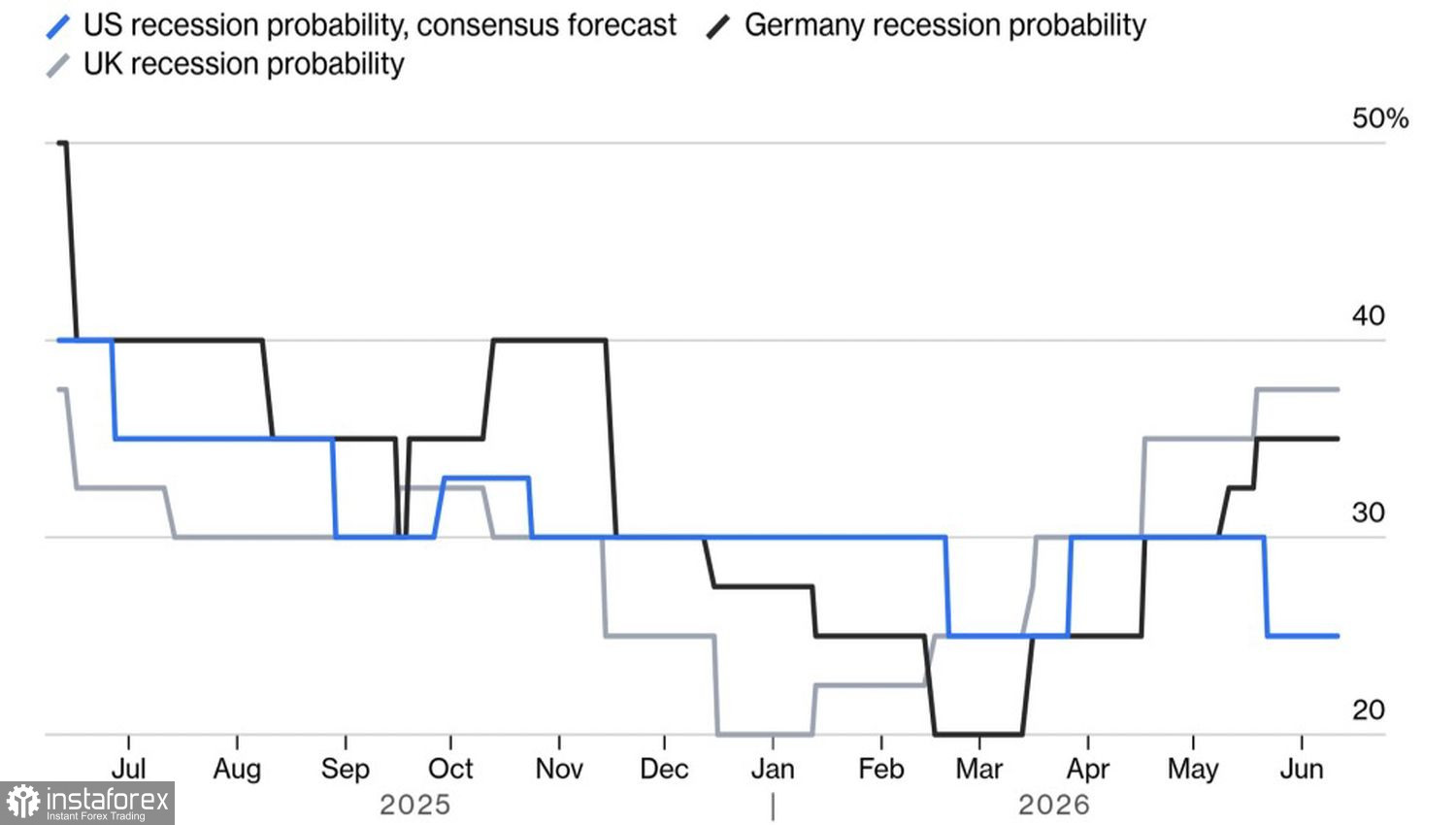
In contrast, the situation in the U.S. is entirely different. The labor market is showing the strongest performance since 2023, and consumer prices have surged to 4.2%. The economy is strong as a bull, benefiting from record energy exports, and the Federal Reserve is not planning to raise rates. On the contrary, the White House is calling for a loosening of monetary policy from the central bank. Trump has appointed Kevin Warsh as the Fed Chair to this end.
The situation resembles the 1970s, with the oil crisis, the loss of the Fed's independence, and a cycle of rate cuts that resulted in double-digit inflation. A recurrence of that history threatens to push inflation out of the central bank's control, leading to what is termed Transatlantic stagflation. When consumer prices increase in North America, while Europe teeters on the brink of recession.
Which of the two evils is worse? I believe this combination may lead to a temporary strengthening of the U.S. dollar; however, the loss of the Fed's independence could result in an uncontrollable decline of the greenback, regardless of the state of the currency bloc's economy at that time.
The June FOMC meeting will help clarify the fate of EUR/USD. No changes in monetary policy are expected, but updated projections for the federal funds rate and Warsh's press conference will be of great significance.
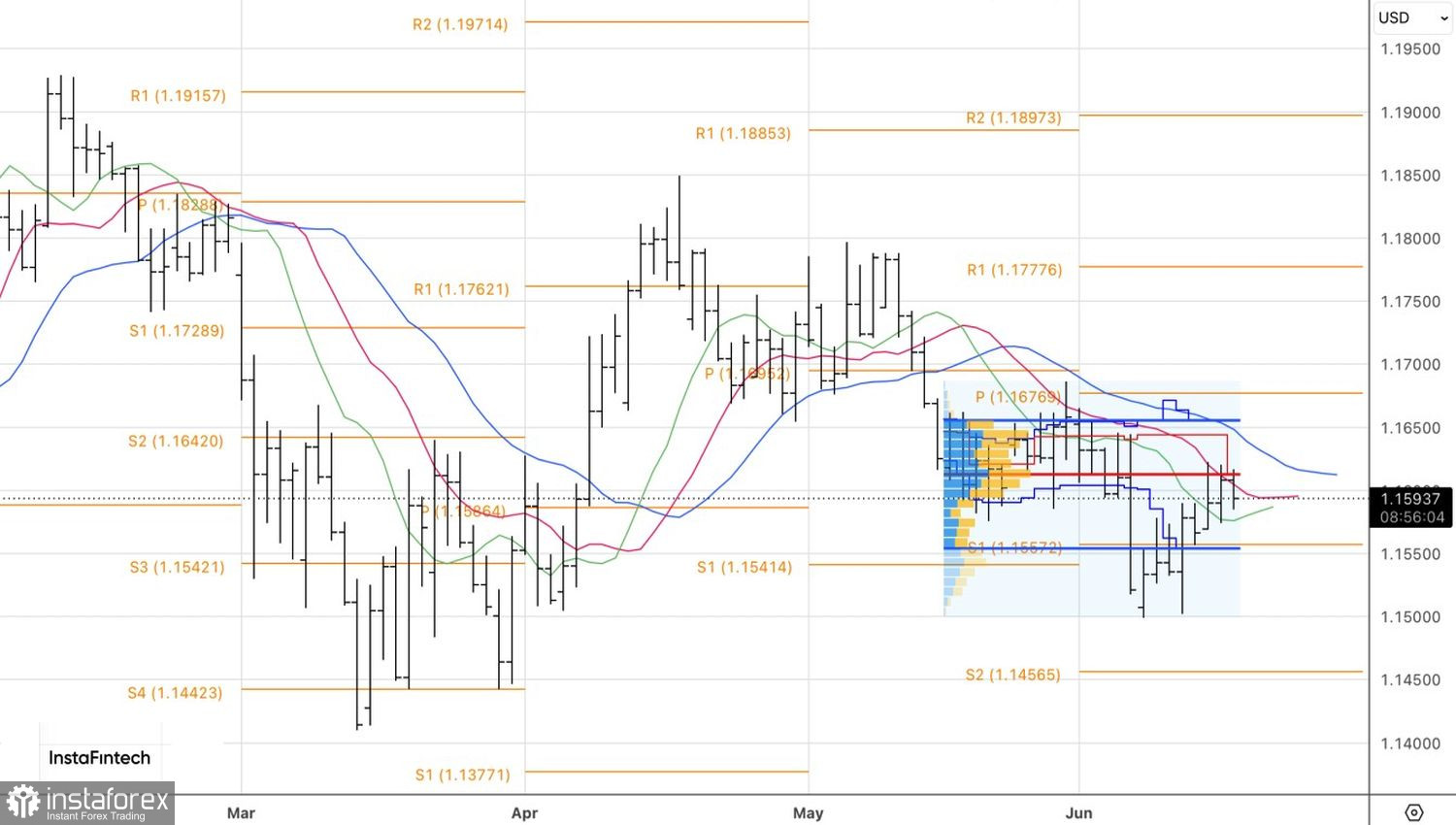
From a technical standpoint, the daily chart for EUR/USD shows an ongoing battle for fair value at 1.1615. A breakout from below this level presents a buying opportunity for the euro.


